What Does a Child Really Learn When School Leaves Room to Think?
A child may remember a math formula for years. But will they know what to do when there is no formula?
Real education becomes valuable in those moments. When a child encounters a problem without an obvious answer, listens to a perspective they did not expect, investigates something they do not understand, or needs to explain an idea clearly, they are using skills that reach far beyond a textbook.
That is where The River School takes an intentionally different approach.
For families exploring a private school in Washington, DC, River offers an environment where language, inquiry, creativity, collaboration, and academic learning are not placed into separate boxes. They are designed to work together.

What Happens When Communication Becomes the Starting Point?
At River, communication is not treated as a support skill that sits on the sidelines of academics.
The school pairs a master's-level educator with a speech-language pathologist in each classroom. This creates an unique depth of expertise within the learning environment, allowing educators to consider not only what students are learning but also how they understand, communicate, participate, and express their thinking.
That difference becomes especially meaningful during the early years.
A classroom conversation can become a vocabulary lesson. Play can develop narrative skills. A student's question can open the door to investigation.
The conversation is not separate from learning. The conversation becomes learning.
Why Does River Resist the “More Technology Is Better” Approach?
Technology is everywhere.
That does not mean it belongs everywhere in a child's education. Instead of introducing screens simply because they are available, the school emphasizes experiences that require children to interact directly with people, materials, ideas, and their surroundings.
Hands-on exploration, conversation, books, creative work, and physical experiences remain important. Technology becomes more purposeful as students grow, including its use in later elementary learning.
What If Subjects Were Designed To Work Together?
Traditional school structures can make learning feel segmented.
Math happens here.
Science happens there.
Art gets its own time.
River's Arts & Sciences approach creates more opportunities for those disciplines to intersect. Students engage with areas such as science, drama, music, visual arts, physical education, creative movement, and library sciences as part of a broader educational experience.
This matters because real problems rarely belong to one subject. A student researching an environmental question may need to read, calculate, observe, discuss, create, and present.
Suddenly, several academic skills become one meaningful challenge. That is where learning gets interesting.
When Does A Classroom Become A Laboratory For Ideas?
As students progress, River increases the complexity of its learning experiences.
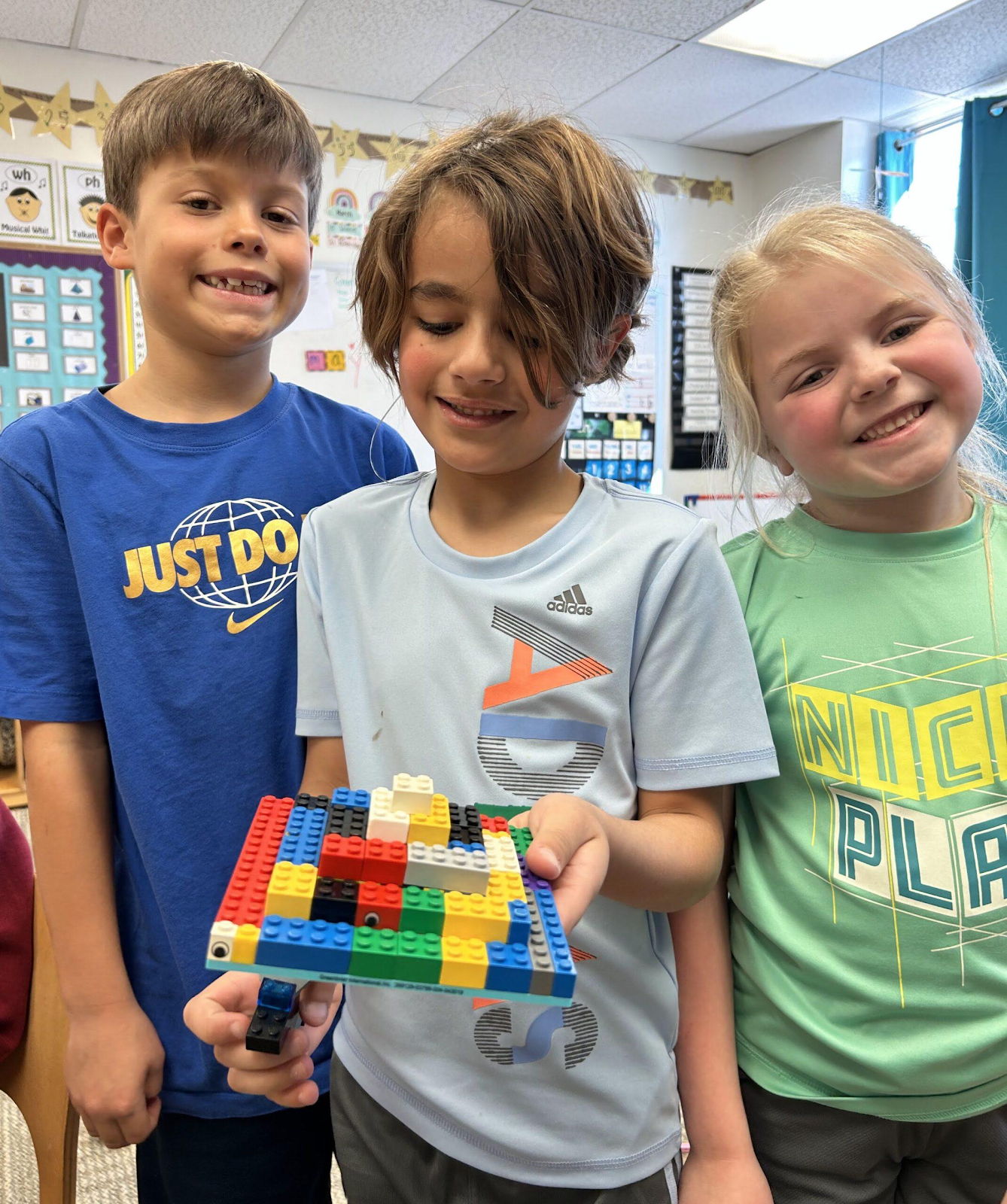
Project-based work gives students opportunities to investigate questions rather than simply receive information. Research, collaboration, reflection, and presentation become increasingly important.
In the Upper Elementary program, immersive learning blocks and field studies take this even further. Students can connect academic concepts with Washington, DC's museums, cultural institutions, parks, and other community resources. The city becomes more than a backdrop - it becomes a source of questions.
A museum can provide evidence.
A park can become a place for observation.
A cultural institution can challenge assumptions.
A neighborhood can inspire research.
Children begin to see that learning does not stop when they leave the classroom.
So What Makes River Worth A Closer Look?
The answer is visible throughout River’s educational model. For families considering a private school in Washington, DC, the option that combination offers something more compelling than another list of academic subjects.
It offers an education designed around how children think, communicate, explore, and grow. Because eventually, every child will face a problem without instructions. The best preparation may be knowing how to think when there is no obvious answer. Inquire today to learn more.


Comments
Post a Comment