How Sleep and Study Time Shape Preschool and Kindergarten Learning
Sleep isn’t just rest; it’s active brain development. Research from pediatric sleep experts and national health organizations shows that young children need significantly more sleep than adults to support cognitive growth, memory, emotional regulation, and overall health.

A child’s brain grows faster between ages three and six than at almost any other stage of life. During these years, sleep, play, and short, meaningful learning moments shape how children think, focus, and regulate emotions long-term.
Understanding how much children should study, rest, and play can help create realistic expectations and healthier routines at home. Let us learn more from the experts of Kindergarten school in Washington, DC.
Why Sleep Is the Foundation of Early Learning
Sleep is not downtime for young children; it is when the brain organizes information, builds memory, and strengthens emotional regulation.
Recommended sleep guidelines:
Preschoolers (ages 3–5): 10–13 hours per day (including naps)
Kindergarten-aged children: 10–12 hours per night
Children who get consistent, quality sleep tend to:
Focus longer during learning activities
Regulate emotions more effectively
Show stronger language development
Retain new concepts more easily
Insufficient sleep, on the other hand, may result in shorter attention spans, increased frustration, and difficulty following instructions.
How Much Study Time Is Appropriate at This Age?
Unlike older students, preschool and kindergarten children do not benefit from long academic study sessions. Research shows that learning is most effective when it is:
Short
Interactive
Integrated into play and real-life experiences
At this stage, learning happens through:
Storytelling and conversation
Music, art, and movement
Sensory activities and exploration
Pretend play and problem-solving
Children absorb more when learning feels natural rather than forced.
The Role of Play in Cognitive and Emotional Growth
Play is often misunderstood as separate from learning, but for young children, play is learning.
Through play, children:
Build language and communication skills
Practice cooperation and conflict resolution
Develop early math and reasoning skills
Strengthen creativity and independence
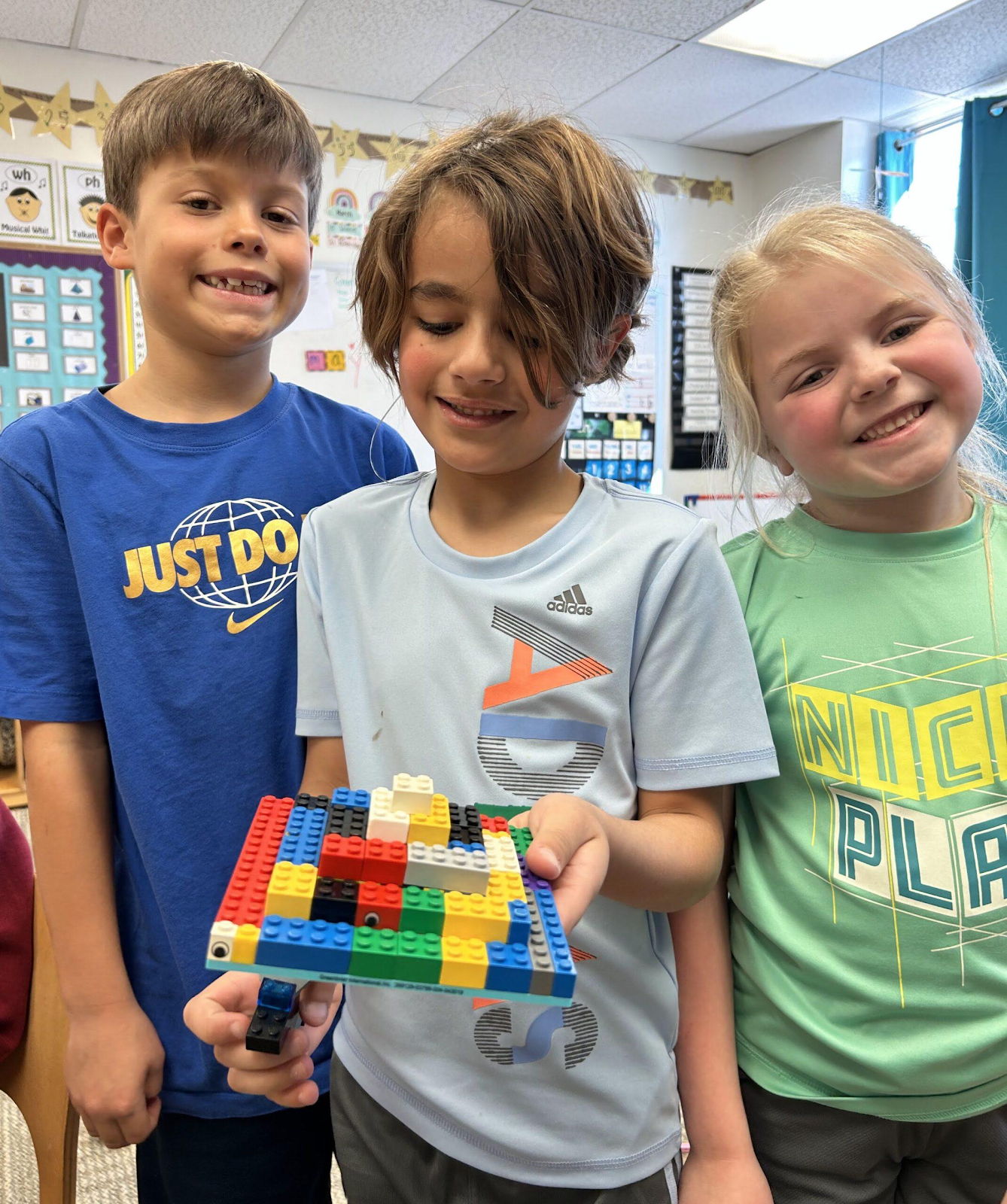
Dramatic play, building activities, outdoor exploration, and creative expression help children make sense of the world while building confidence and curiosity. Most of the top preschools in Washington, DC follow this approach.
A Balanced Daily Rhythm for Young Learners
An effective day for preschool and kindergarten students includes balance rather than intensity.
A healthy daily rhythm often includes:
Consistent sleep and wake times
Active play and outdoor movement
Short learning moments mixed with free exploration
Calm transitions and predictable routines
Opportunities for social interaction
How Parents Can Support Learning at Home
Parents play a powerful role in reinforcing healthy habits without adding pressure. Some of the helpful practices include:
Establishing consistent bedtime routines
Reading together daily
Limiting screens, especially before sleep
Encouraging imaginative play
Allowing children to ask questions and explore interests
Choosing the Right Learning Environment in Washington, DC
When evaluating preschool and kindergarten in Washington DC options, it’s important to look beyond academics alone. Programs that respect children’s developmental needs, value sleep and play, and support whole-child growth create stronger foundations for lifelong learning.
The River School in Washington DC is designed around these principles, offering an environment where learning, wellness, and curiosity work together.
To explore how a balanced, research-informed approach can support your child’s growth, families are encouraged to learn more about The River School’s early childhood programs and schedule a visit.


Comments
Post a Comment